Showing posts with label dog-wheels. Show all posts

Thursday

Giving Your Pet a Mobility Makeover with a dog wheelchair wheels


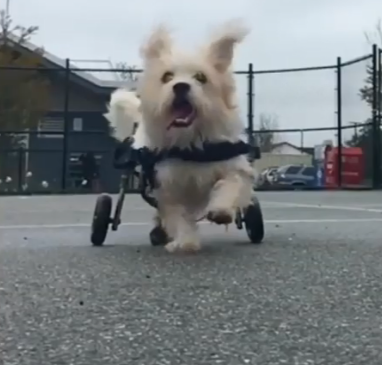
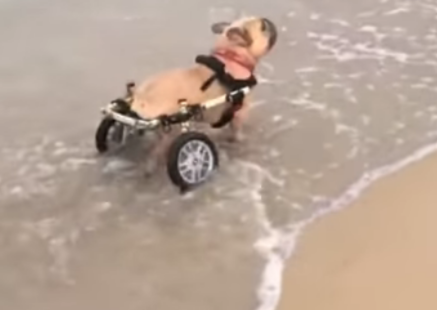
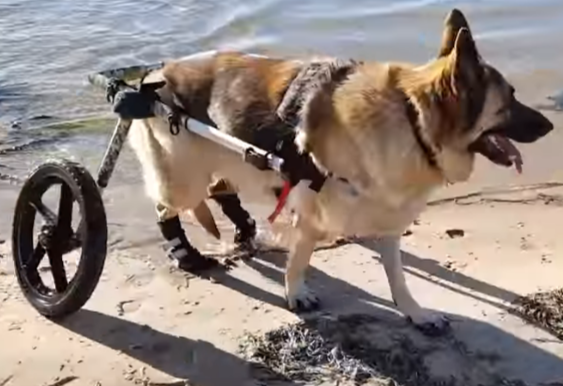
Dog wheelchair wheels are designed to provide mobility assistance to dogs with limited or impaired movement due to arthritis, hip dysplasia, spinal cord injury, neurological disorders, and other conditions.

Dog wheelchair wheels come in various shapes, sizes, and styles to accommodate different breeds and sizes of dogs. They are typically made from durable materials such as aluminum, steel, and plastic, and feature adjustable straps and handles for easy maneuvering. Depending on the type of wheelchair, wheels can also be inflated with air or filled with heavy-duty foam for added comfort.

Dog wheelchair wheels can be used to help a dog with limited mobility move around more easily and safely. These wheels can also be used to help a dog who is recovering from surgery or an injury to get around without putting too much strain on its body. Depending on the type of wheelchair, a dog may also be able to use the wheels to climb stairs and move around on different surfaces.

In addition to providing mobility assistance, dog wheelchair wheels can also provide psychological benefits for a dog. Dogs that are unable to move around as freely as they used to can become depressed and discouraged, but having access to a wheelchair can help keep them active and engaged. The wheelchair can also help a dog stay independent and maintain their dignity, which can help keep its spirits high.

Dog wheelchair wheels can be a great way to provide mobility assistance and psychological benefits to a dog. They are typically designed to be durable and adjustable, so they can be used safely and comfortably by a wide range of dogs.

                                                 Click Here to Get Your Free Mobility Guide Now!


Friday

K9 Carts - Changing Lives, One Dog at a Time


K9 carts are an increasingly popular tool for helping disabled and injured pets get around. As more pet owners become aware of the benefits of K9 carts, they are quickly becoming the preferred choice for disabled dogs. K9 carts can be a great help to dogs that have suffered a stroke, spinal cord injury, or other mobility issues.

The main benefit of K9 carts is that they provide support and stability to a disabled dog. By providing extra stability, the cart can help a dog move around with less risk of tipping over or falling down. This is especially important for dogs that are at risk of developing pressure sores from lying down in an uncomfortable position for too long.

Another benefit of K9 carts is that they offer a safe and comfortable way for injured dogs to get around. Many carts feature a cushioned seat with comfortable straps, which allow the dog to sit or lie down comfortably. This is especially beneficial for dogs that are recovering from surgery or that have arthritis or other chronic conditions.

In addition to providing support and stability, K9 carts are also important for socialization. Dogs that are confined to a wheelchair or cart can easily interact with other dogs and people, which can be an important part of their mental and physical health.

K9 carts are also a great way to exercise a disabled dog. By allowing the dog to move around, the cart can help the dog maintain their muscle strength and cardiovascular health. This can be beneficial for dogs that are recovering from surgery, which can often lead to a decrease in muscle mass.

Finally, K9 carts can provide a sense of freedom for disabled dogs. By allowing the dog to move around in the house or backyard, the cart can help the dog feel more independent and provide a much-needed distraction from the pain and immobility they may be experiencing.

Overall, K9 carts are a great way to help disabled and injured pets get around more easily and safely. By providing support and stability, allowing for socialization, and providing a sense of freedom, K9 carts can be an invaluable tool for pet owners with disabled dogs.

                                         Click Here to Get Your Free Mobility Guide Now!
Tuesday

Handicapped Pets - Overcoming Challenges


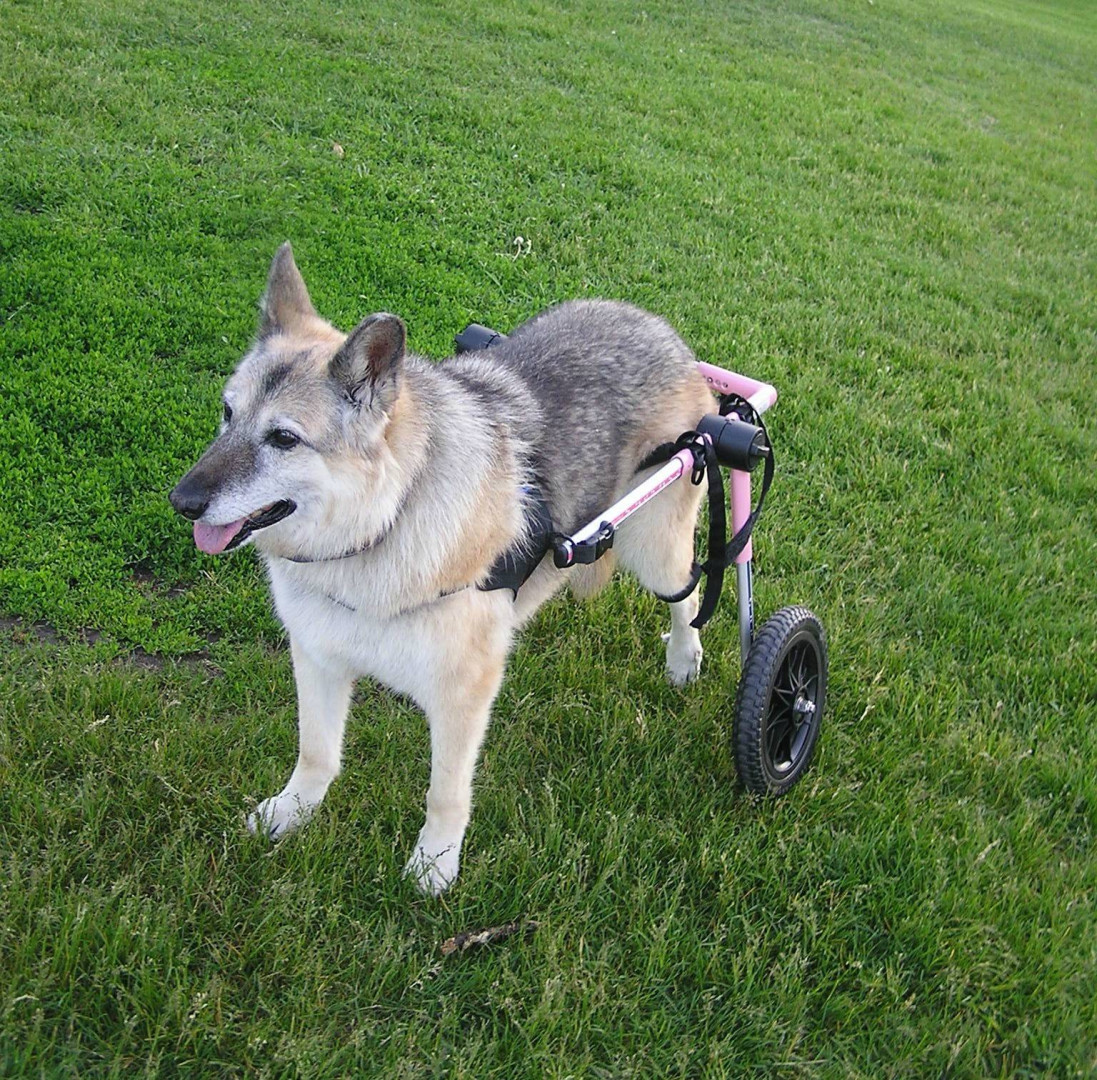
Handicapped pets can be some of the most incredible animals in the world. Despite the physical challenges they face, they still manage to bring joy and comfort to their owners. Having a handicapped pet can be a rewarding experience that can help to broaden your perspective and bring a unique level of companionship to your home.

Caring for a handicapped pet can be a challenge, but the rewards far outweigh the difficulties. Here are a few tips for helping to make your pet's life as comfortable and enjoyable as possible.

First, be sure to provide your pet with the necessary medical care. Many handicapped pets require special treatments and medications to help them manage their condition. Talk to your vet to make sure that your pet is receiving the care they need.

Second, take the time to make your home accessible to your pet. Depending on your pet's needs, you may need to provide ramps, special bedding, or other items to make it easier for them to move around.

Third, pay attention to your pet's behavior and adjust as needed. Some handicapped pets may require special diets, extra exercise, or other adjustments to ensure that they are healthy and happy.

Finally, show your pet lots of love and attention. Though they may have a physical disability, handicapped pets still have the same emotional needs as other animals. Make sure that you provide them with the love and care that they need.

Caring for a handicapped pet can be a challenge, but it can also be incredibly rewarding. If you are considering adding a handicapped pet to your family, be sure to do your research and find out all that you need to know to ensure that your pet is happy and healthy.

                                                          Click Here to Get Your Free Mobility Guide

Wednesday

Make Mobility Easier for Your Pet: Walkin Wheels Review


If you are in the market for a wheelchair for your beloved four-legged friend, then you should consider Walkin' Wheels Dog Wheelchair. This innovative product is designed to provide mobility and comfort for dogs that suffer from mobility issues.

The wheelchair is adjustable and can easily be tailored to fit most breeds of dogs. It is made from lightweight aluminum and features a padded harness and adjustable straps for a secure and comfortable fit. The wheels are made from rubber and have a locking mechanism that allows you to easily adjust the height of the wheelchair.

The wheelchair comes with a variety of accessories, including a leg extension kit, a basket, and a cup holder. The leg extension kit is great for providing extra support and stability for your dog. The basket is perfect for carrying items such as food or toys and the cup holder is great for keeping your dog's water dish close at hand. The wheelchair also includes a footplate to provide extra stability and comfort.

The reviews for Walkin' Wheels Dog Wheelchair are overwhelmingly positive. Most reviewers report that the wheelchair is easy to install and adjust and that their dog is more comfortable and mobile when using the wheelchair. Many reviewers also noted that the wheelchair is well-constructed and durable, making it a great investment for the long term.

Overall, the reviews for the Walkin' Wheels Dog Wheelchair are overwhelmingly positive and make it a great choice for any pet owner who wants to provide their dog with the best possible mobility solution.

                                                               Click Here to Get Your Free Mobility Guide


Monday

Helping a Dog with Sudden Loss of Hind Leg Mobility


When a dog suddenly can’t walk on its hind legs, it’s a cause for concern. It’s important to determine the underlying cause of the problem before providing treatment. In some cases, it may be something as simple as a muscle strain or sprain, but it can also be a symptom of a more serious condition, such as a spinal injury or neurological disorder.

When a dog is unable to use its hind legs, it’s important to immediately assess the situation. Look for signs of trauma, such as cuts, scrapes, or bruises. Also, check to see if the dog is in any pain. If so, it’s important to contact a veterinarian right away.

In some cases, the cause of hind leg paralysis may be unknown. In this case, it’s important to take the dog to the vet for a full evaluation. The veterinarian can perform a physical exam and run tests to rule out any possible medical causes. Treatment will depend on the underlying cause of the paralysis but may include physical therapy, medications, and even surgery.

In addition to medical causes, there are also behavioral causes of hind leg paralysis. It’s possible that the dog is exhibiting a behavior known as “splinting”, where it holds its hind legs in an unnatural position in an attempt to avoid painful stimuli. If this is the case, it’s important to take steps to address the underlying cause of the behavior.

Hind leg paralysis can be a frightening experience for both the dog and its owner. It’s important to stay calm and take action quickly to determine the cause of the problem. With the right treatment, it’s possible for a dog to make a full recovery and get back to walking on its hind legs. 

Click Here to Get Your Free Mobility Guide Now!

Tuesday

Before Buying a Dog Wheelchair - Here's What You Need to Know


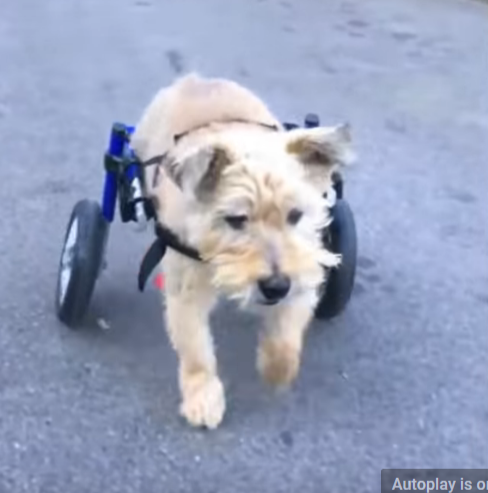
When it comes to the well-being and quality of life of your beloved four-legged friend, there is no substitute for having the right wheelchair for your pup. With so many options available on the market, it can be difficult to know which type of wheelchair is best for your furry family member. Here are some factors to consider when choosing the perfect wheelchair to help your pup get around with ease.

Size: The size of the wheelchair you choose should be based on the size of your dog. You will want to make sure the wheelchair is the right size so your pup has enough room to move around comfortably. Additionally, too large or too small of a wheelchair can lead to injury, so pay close attention to the measurements and make sure the wheelchair you choose is the right size for your pup.

Material: The material of the wheelchair is also an important factor to consider. Most wheelchairs are made with lightweight materials so your pup can move around with ease. Make sure the material is durable and that the frame can withstand your pup’s weight.

Adjustability: You will want to look for a wheelchair that has adjustable features. This will allow you to adjust the height and other aspects of the wheelchair as your pup grows. Additionally, some wheelchairs come with adjustable straps that help secure your pup in the wheelchair.

Weight Capacity: Make sure you check the weight capacity of the wheelchair before you purchase it. This is an important factor to consider, as a wheelchair that is too small can cause injury to your pup.

Comfort: Comfort should always be a priority when choosing a wheelchair. Look for a wheelchair that has a comfortable cushion and a well-padded backrest. This will help ensure your pup stays comfortable while in the wheelchair.

Ease of Use: You will want to make sure the wheelchair is easy to use and maneuver. Look for a wheelchair with wheels that are easy to turn and that have a good grip on the ground. This will make it easier for your pup to move around, as well as make it easier for you to take the wheelchair in and out of the house.

These are all important factors to consider when choosing the perfect wheelchair for your pup. With the right wheelchair, your pup can enjoy a good quality of life and have the ability to move around with ease.

                                                                                          Click Here to Get Your Free Mobility Guide Now!

Wednesday

Navigating The Costs Of Your Pet's Mobility Issues With A Dog Wheelchair


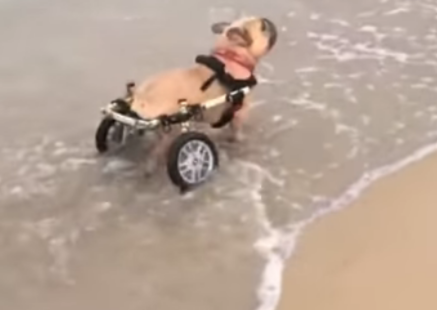
Buying a wheelchair for your dog can be a tough decision. After all, a wheelchair is a big expense for anyone, and it is important to make sure you are getting the best value for your money. You want to make sure you are getting the best quality product, and you don't want to break the bank in the process.

When it comes to the cost of a dog wheelchair, there are a few factors to consider. First, the size of the wheelchair is a major factor. Smaller wheelchairs are typically less expensive than larger wheelchairs. Second, the type of wheelchair is also a factor. There are manual wheelchairs, which require your pet to be lifted into it, and there are motorized wheelchairs, which are more expensive but provide more mobility and independence for your pet.

The type of material used in the wheelchair is also a factor to consider. Wheelchairs made with lightweight materials such as aluminum are more expensive than wheelchairs made with plastic or other materials. The weight of the wheelchair is also a factor, as heavier wheelchairs will be more expensive than lighter wheelchairs.

Finally, the brand of the wheelchair is also a factor. Some companies are well known for their quality wheelchairs and these wheelchairs tend to be more expensive. However, there are also some companies that offer lower-priced wheelchairs that still offer quality and support.

In the end, the price of a dog wheelchair will depend on the size, type, material, weight, and brand. It is important to do your research to make sure you are getting the best value for your money. With careful consideration, you can find the perfect wheelchair for your four-legged friend.

 Click Here to Get Your Free Mobility Guide Now!

Life-Changing Mobility Solution for Dogs - Dog Wheelchair with Wheels


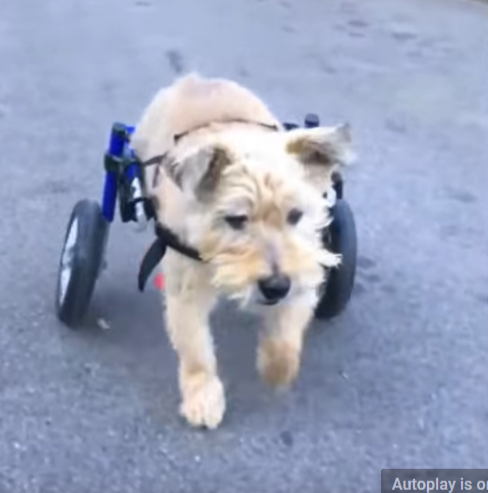
When it comes to providing mobility for dogs, one of the most important elements is the wheelchair wheel. This is the part of the wheelchair that helps the dog to move and provides the support and stability needed for comfortable, safe, and effective movement.

Wheelchair wheels come in a variety of sizes, styles, and materials to suit different needs. Generally, the wheel size depends on the size of the dog, its weight, and its mobility needs. The wheel material will also vary, with some being more lightweight and durable than others. Some wheelchair wheel options are made from metal, rubber, or plastic.

No matter the wheel type, there are several important factors to consider when selecting the right wheel for your pet. The wheel should be durable and able to handle the weight of your dog. Additionally, it should be easy to maneuver and provide a comfortable, stable ride. Additionally, consider the type of terrain your pet will be traveling over and select a wheel that is designed to handle it.

When it comes to wheelchair wheels, there are also a variety of additional features and accessories that can be added to customize the wheel to meet your pet’s needs. For example, there are specialized wheelchairs with wheels made of shock-absorbing rubber to help reduce the impact of bumpy terrain. Additionally, you can get wheels with different treads and tread patterns to improve traction and maneuverability.

At the end of the day, finding the right wheelchair wheel for your pet is an important part of ensuring their mobility and comfort. Careful research and consideration of your pet’s needs will go a long way toward finding the perfect wheel for your furry friend.

                                   Click Here to Get Your Free Mobility Guide


Dog Wheelchair Basics: How to Measure and Fit Your Pet


For pet owners looking for a way to give their pets greater mobility, there is no better option than a canine wheelchair. A canine wheelchair (also known as a dog cart) is a great way to give your pet the freedom to move around, and the ability to exercise.

Measuring for a Dog Wheelchair

The first step in fitting your pet for a wheelchair is to measure him or her accurately. The measurements you need to take will depend on the type of wheelchair you’re getting. Generally speaking, you’ll need to measure the circumference of the chest, the length of the back, and the distance between the back legs. To ensure an accurate measurement, it’s best to have someone help you.

Fitting a Dog Wheelchair

Once you’ve taken the necessary measurements, it’s time to fit the wheelchair into your pet. The wheelchair should fit snugly, but not too tight. To ensure a good fit, start by adjusting the straps on the leg pieces. Make sure they’re not too tight, but tight enough that the wheelchair won’t slide around on your pet’s body. The straps should be adjustable so you can make them tighter or looser if needed.

Next, adjust the wheel size. The wheel size should be proportional to the size of your pet. If the wheel is too small, it won’t provide enough support and stability. If the wheel is too big, your pet may have trouble maneuvering the wheelchair.

Finally, adjust the height of the wheelchair. The wheelchair should be adjusted so that it’s at the same height as your pet’s back. This will ensure that your pet is comfortable and can move around freely.

With the right measurements and adjustments, you can ensure that your pet can move around with ease and comfort. With a little bit of patience, you can make sure your pet has the mobility they need to enjoy life to its fullest.

                                                                                                        Click Here to Get Your Free Mobility Guide Now!

Sunday

Why Is My Dog Shaking Its Legs and Limping?


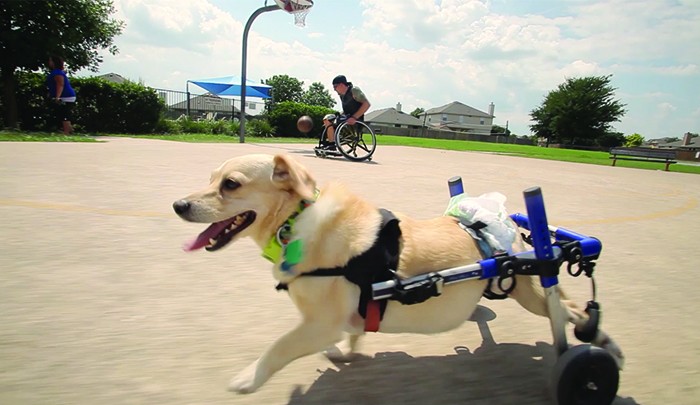
Leg shaking and limping in dogs can be caused by a number of different things. Depending on the severity and symptoms, a vet may need to be consulted.

The most common cause of leg shaking and limping in dogs is an injury. Injuries can range from minor strains to more serious trauma, such as a broken bone. If the shaking and limping are accompanied by other symptoms, such as pain, swelling, or decreased mobility, then a vet should be consulted.

Another cause of leg shaking and limping can be underlying medical conditions. Conditions such as arthritis, hip dysplasia, and nerve damage can cause these symptoms. These conditions are generally treated with medication and physical therapy.

In some cases, leg shaking and limping can also be caused by psychological issues. Dogs can develop anxiety or fear that can cause them to shake or limp. In this case, it is important to provide your dog with a safe and comforting environment.

Finally, some dogs may simply be tired or weak from overexertion. If your dog has been playing or running for an extended period of time, it may show signs of leg shaking and limp. In this case, it is important to provide your dog with adequate rest and recuperation.

The causes of leg shaking and limping in dogs can be varied and complex. If your dog is showing signs of this symptom, it is important to seek veterinary advice to determine the cause and receive the best treatment.

                                                                              Click Here to Get Your Free Mobility Guide Now!

Thursday

What To Know About Managing Dog Mobility Issues


Dogs are beloved family members and loyal companions, but as they age, they may experience mobility issues that can affect their quality of life. Fortunately, there are a variety of treatment options available to help your four-legged friend stay active, healthy, and happy.

The first step in helping a dog with mobility issues is to identify the underlying cause. Common causes include arthritis, hip dysplasia, and neurological issues. Your veterinarian can help you determine the cause of your pup’s mobility issues, as well as provide an appropriate treatment plan.

Once the cause of mobility issues is identified, your veterinarian can recommend a plan that may include a combination of treatments to help your pup stay active and comfortable. Treatment options may include:

•Medications: Non-steroidal anti-inflammatory medications (NSAIDs) and steroidal medications may be prescribed to help manage pain and inflammation associated with arthritis or other conditions.

•Physical Therapy: Physical therapy exercises and activities can help increase muscle strength and range of motion, as well as improve balance and coordination. Massage and mobilization techniques may also be used.

•Diet: A diet designed for the senior pet can help maintain a healthy weight and provide the necessary nutrients for optimal joint health.

•Supplements: Omega-3 fatty acids, glucosamine, and chondroitin are all-natural supplements that can help reduce inflammation and pain, and improve joint health.

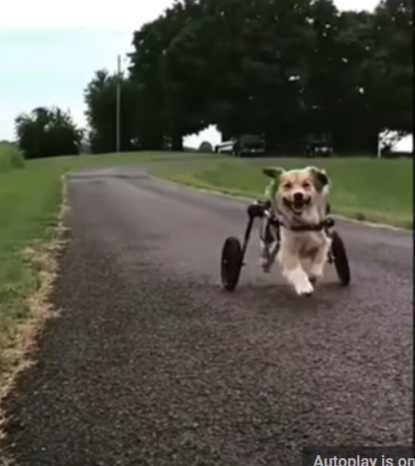
•Assistive Devices: A variety of assistive devices are available to help dogs with mobility issues. These may include dog wheelchairs, ramps, and support harnesses.

Your veterinarian will help you determine the best treatment plan for your pup, depending on the severity and underlying cause of their mobility issues. With the right care and treatment, your pup can stay active and comfortable for many years to come.

                                                                                      Click Here to Get Your Free Mobility Guide Now!