Sunday

Why Is My Dog Shaking Its Legs and Limping?


Leg shaking and limping in dogs can be caused by a number of different things. Depending on the severity and symptoms, a vet may need to be consulted.

The most common cause of leg shaking and limping in dogs is an injury. Injuries can range from minor strains to more serious trauma, such as a broken bone. If the shaking and limping are accompanied by other symptoms, such as pain, swelling, or decreased mobility, then a vet should be consulted.

Another cause of leg shaking and limping can be underlying medical conditions. Conditions such as arthritis, hip dysplasia, and nerve damage can cause these symptoms. These conditions are generally treated with medication and physical therapy.

In some cases, leg shaking and limping can also be caused by psychological issues. Dogs can develop anxiety or fear that can cause them to shake or limp. In this case, it is important to provide your dog with a safe and comforting environment.

Finally, some dogs may simply be tired or weak from overexertion. If your dog has been playing or running for an extended period of time, it may show signs of leg shaking and limp. In this case, it is important to provide your dog with adequate rest and recuperation.

The causes of leg shaking and limping in dogs can be varied and complex. If your dog is showing signs of this symptom, it is important to seek veterinary advice to determine the cause and receive the best treatment.

                                                                              Click Here to Get Your Free Mobility Guide Now!


Saturday

Taking Care of Your Kitty's Mobility with a Wheelchair

Cat wheelchairs are an incredible way to help cats with mobility issues gain more freedom and independence. For cats with physical impairments, a wheelchair can be a life-changing device, allowing them to explore the world and have a more active lifestyle.

A cat wheelchair, sometimes called a cart, is a device designed to help cats with mobility impairments. The wheelchair consists of a frame made of lightweight material, with two or four wheels attached. The frame is designed to fit the specific size and shape of the cat, providing a comfortable fit and allowing the cat to move freely. The wheels can be adjusted to the cat’s size and ability, allowing for greater maneuverability.

The main benefit of a cat wheelchair is that it allows cats with mobility issues to become more active and independent. This can help them to explore the world around them and interact with their environment. It also prevents the cat from becoming dependent on its owner or other people for assistance.

The wheelchair also provides the cat with physical support, helping them to stay upright and balanced. This reduces the risk of injury or discomfort and alleviates the strain on the cat’s joints, allowing them to move more freely. Additionally, the wheelchair can help the cat to exercise and build muscle strength, which is important for maintaining good health.

Overall, cat wheelchairs are an incredible device that can help cats with mobility issues to gain more freedom and independence. The wheelchair allows cats to explore their environment and engage in physical activity while providing physical support and reducing the risk of injury. For cats with physical impairments, a wheelchair can be a life-changing device, helping them to live more active and fulfilled lives.

                                                                         Click Here to Get Your Free Mobility Guide Now!
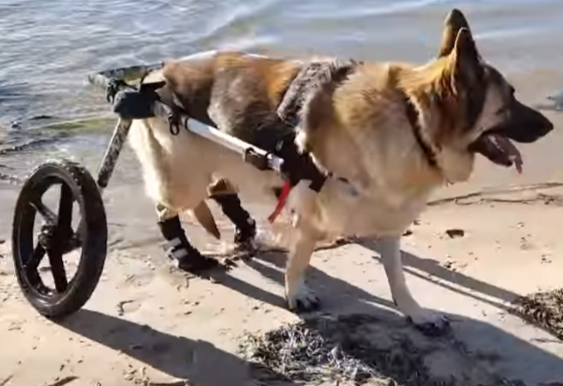

All You Need To Know About Choosing the Best Dog Wheelchair Wheels


When it comes to giving your beloved pet the best quality of life, sometimes a little extra help is needed. Dog wheelchairs are the perfect way to help your pup enjoy mobility and independence. Whether your pup has suffered an injury or has a condition that limits their mobility, a dog wheelchair can help them get back on their feet and back to the activities they love.

Dog wheelchairs come in a variety of sizes, shapes, and styles to accommodate your pup’s needs. From simple walkers to complex wheelchairs with adjustable features, there is a wheeled solution for every pup. Not only do these wheelchairs provide a comfortable ride, but they also help to protect their joints and muscles from strain. This is especially beneficial for pups with medical conditions that affect their mobility.

When selecting the right wheelchair for your pup, there are several factors to consider. The size of the wheelchair should match your pup’s height and weight. You also want to make sure the wheelchairs are made of durable materials that can handle the wear and tear of daily use. Most wheelchairs also have adjustable features, such as adjustable wheels and height, to ensure your pup is comfortable and able to maneuver around safely.

The best wheelchairs for dogs are those that promote healthy movement and provide support for your pup’s joints and muscles. The wheelchair should be lightweight, easy to maneuver, and offer plenty of support for your pup. It should also have plenty of room for your pup to move around.

When it comes to taking care of your pup, nothing is more important than their safety and comfort. With the right wheelchair, your pup can get back to the activities they love, while staying safe and comfortable.

                                                                              Click Here to Get Your Free Mobility Guide Now!


Thursday

Reclaiming Mobility with a Unique Cat Wheelchair

For cats with mobility issues, a cat wheelchair can be a great option for improving their quality of life. Cat wheelchairs enable cats to become mobile again, allowing them to explore their environment, interact with other pets and family members, and even go on regular walks.

Cat wheelchairs are specially designed to fit the unique needs of cats. They are typically lightweight, easy to maneuver, and adjustable to the cat’s size and weight. They also come in different sizes and styles, so you can find one that is perfect for your cat’s needs.


In addition to improved mobility, a cat wheelchair can also provide your pet with psychological benefits. For example, cats who can’t walk on their own due to physical limitations can still experience the joys of being able to explore and interact with their environment. This can help them maintain a healthy and active lifestyle, even when they can’t move around on their own.

Finally, cat wheelchairs can also be beneficial for cats who suffer from chronic illnesses, such as arthritis. By providing your pet with the ability to move around freely, they can get the exercise they need to stay healthy and happy.

Overall, a cat wheelchair can be a great way to improve your pet’s quality of life. It can provide them with improved mobility, and psychological benefits, and can even help manage chronic illnesses. So, if you have a cat who is unable to move around on its own, consider getting them a cat wheelchair to help them get back to living a healthy and active lifestyle.

                                                                   Click Here to Get Your Free Mobility Guide Now!

What To Know About Managing Dog Mobility Issues


Dogs are beloved family members and loyal companions, but as they age, they may experience mobility issues that can affect their quality of life. Fortunately, there are a variety of treatment options available to help your four-legged friend stay active, healthy, and happy.

The first step in helping a dog with mobility issues is to identify the underlying cause. Common causes include arthritis, hip dysplasia, and neurological issues. Your veterinarian can help you determine the cause of your pup’s mobility issues, as well as provide an appropriate treatment plan.

Once the cause of mobility issues is identified, your veterinarian can recommend a plan that may include a combination of treatments to help your pup stay active and comfortable. Treatment options may include:

•Medications: Non-steroidal anti-inflammatory medications (NSAIDs) and steroidal medications may be prescribed to help manage pain and inflammation associated with arthritis or other conditions.

•Physical Therapy: Physical therapy exercises and activities can help increase muscle strength and range of motion, as well as improve balance and coordination. Massage and mobilization techniques may also be used.

•Diet: A diet designed for the senior pet can help maintain a healthy weight and provide the necessary nutrients for optimal joint health.

•Supplements: Omega-3 fatty acids, glucosamine, and chondroitin are all-natural supplements that can help reduce inflammation and pain, and improve joint health.

•Assistive Devices: A variety of assistive devices are available to help dogs with mobility issues. These may include dog wheelchairs, ramps, and support harnesses.

Your veterinarian will help you determine the best treatment plan for your pup, depending on the severity and underlying cause of their mobility issues. With the right care and treatment, your pup can stay active and comfortable for many years to come.

                                                                                      Click Here to Get Your Free Mobility Guide Now! 


Wednesday

Life-Changing Benefits of Cat Wheelchairs


If you’ve ever seen a cat wheelchair, you’ll know that they can be a strange sight – a contraption with four tiny wheels and a harness attached to a small cat. But, like any mobility aid, cat wheelchairs are actually incredibly beneficial for cats with limited mobility. Here are just a few of the major advantages that cat wheelchairs can provide:

1. Improved Mobility: By providing a safe and secure way for your cat to move around, a cat wheelchair can significantly improve the quality of life for cats with limited mobility. Whether it’s due to an injury, age, or a medical condition, a cat wheelchair can help them explore their environment and maintain a sense of independence.

2. Pain Relief: For cats suffering from chronic pain due to an injury or medical condition, a cat wheelchair can provide much-needed relief. By taking the weight off their legs, the wheelchair can reduce strain, helping them to move around without the associated discomfort.

3. Mental Stimulation: Cats are naturally curious animals, and when they have limited mobility, they can become bored and inactive. A cat wheelchair can help alleviate this, giving them access to areas they would normally struggle to reach. This can help to keep them mentally stimulated and engaged.

4. Socializing: When cats are confined to one area, they can become lonely and isolated. A cat wheelchair can help to combat this by giving them the freedom to explore and interact with their environment, which can help them to socialize more with other people and animals.

Overall, cat wheelchairs can be incredibly beneficial for cats with limited mobility. They can help give them a sense of independence, improve their mobility, reduce their pain, and provide them with mental and social stimulation. So, if you’ve ever thought about getting a cat wheelchair for your pet, it’s definitely worth considering.


                                                        Click Here Get Your Free Mobility Guide Now!

Helping Your Dog Manage Mobility Issues


As our beloved canine companion's age, they may experience decreased mobility, which can affect their quality of life. Mobility issues can range from minor aches and pains to more serious conditions that can severely limit a dog’s ability to get around. Understanding the signs and symptoms of mobility issues in dogs is essential for pet owners who want to ensure their pup is as comfortable and healthy as possible.

One of the first signs of mobility issues in dogs is decreased activity. If your pup is no longer interested in going for walks, playing fetch, or participating in other physical activities, this could be a sign that something is wrong. Your dog may also become less responsive to commands or seem to be in pain when asked to perform certain tasks.

If your dog is exhibiting signs of decreased mobility, it’s important to check for other physical symptoms. Some common signs of mobility issues in dogs include difficulty getting up from a resting position, limping or favoring one leg, difficulty jumping on or off furniture, or difficulty navigating stairs or other obstacles. Additionally, your pup may have difficulty controlling its bladder or bowels due to weakened muscles.

If you notice any of these symptoms in your canine companion, it’s important to bring them to the vet immediately. There are a variety of treatments available to help manage mobility issues in dogs, including physical therapy, anti-inflammatory medications, and dietary supplements. Additionally, many vets may recommend lifestyle changes, such as providing your dog with a ramp, a dog wheelchair, or using a pet stroller, to help them get around more easily.

By keeping an eye out for signs and symptoms of mobility issues in your pup, you can help ensure they stay as comfortable and healthy as possible. If you notice any changes in your dog’s activity or behavior, be sure to bring them to the vet for an evaluation. With the right treatment and lifestyle modifications, your pup can continue to enjoy life to the fullest.

                                                                   Click Here to Get Your Free Mobility Guide Now!