Dogs are beloved family members and loyal companions, but as they age, they may experience mobility issues that can affect their quality of life. Fortunately, there are a variety of treatment options available to help your four-legged friend stay active, healthy, and happy.
The first step in helping a dog with mobility issues is to identify the underlying cause. Common causes include arthritis, hip dysplasia, and neurological issues. Your veterinarian can help you determine the cause of your pup’s mobility issues, as well as provide an appropriate treatment plan.
Once the cause of mobility issues is identified, your veterinarian can recommend a plan that may include a combination of treatments to help your pup stay active and comfortable. Treatment options may include:
•Medications: Non-steroidal anti-inflammatory medications (NSAIDs) and steroidal medications may be prescribed to help manage pain and inflammation associated with arthritis or other conditions.
•Physical Therapy: Physical therapy exercises and activities can help increase muscle strength and range of motion, as well as improve balance and coordination. Massage and mobilization techniques may also be used.
•Diet: A diet designed for the senior pet can help maintain a healthy weight and provide the necessary nutrients for optimal joint health.
•Supplements: Omega-3 fatty acids, glucosamine, and chondroitin are all-natural supplements that can help reduce inflammation and pain, and improve joint health.
•Assistive Devices: A variety of assistive devices are available to help dogs with mobility issues. These may include dog wheelchairs, ramps, and support harnesses.
Your veterinarian will help you determine the best treatment plan for your pup, depending on the severity and underlying cause of their mobility issues. With the right care and treatment, your pup can stay active and comfortable for many years to come.

Thursday
What To Know About Managing Dog Mobility Issues
Click Here to Get Your Free Mobility Guide Now!

Wednesday
Life-Changing Benefits of Cat Wheelchairs
If you’ve ever seen a cat wheelchair, you’ll know that they can be a strange sight – a contraption with four tiny wheels and a harness attached to a small cat. But, like any mobility aid, cat wheelchairs are actually incredibly beneficial for cats with limited mobility. Here are just a few of the major advantages that cat wheelchairs can provide:
1. Improved Mobility: By providing a safe and secure way for your cat to move around, a cat wheelchair can significantly improve the quality of life for cats with limited mobility. Whether it’s due to an injury, age, or a medical condition, a cat wheelchair can help them explore their environment and maintain a sense of independence.
2. Pain Relief: For cats suffering from chronic pain due to an injury or medical condition, a cat wheelchair can provide much-needed relief. By taking the weight off their legs, the wheelchair can reduce strain, helping them to move around without the associated discomfort.
3. Mental Stimulation: Cats are naturally curious animals, and when they have limited mobility, they can become bored and inactive. A cat wheelchair can help alleviate this, giving them access to areas they would normally struggle to reach. This can help to keep them mentally stimulated and engaged.
4. Socializing: When cats are confined to one area, they can become lonely and isolated. A cat wheelchair can help to combat this by giving them the freedom to explore and interact with their environment, which can help them to socialize more with other people and animals.
Overall, cat wheelchairs can be incredibly beneficial for cats with limited mobility. They can help give them a sense of independence, improve their mobility, reduce their pain, and provide them with mental and social stimulation. So, if you’ve ever thought about getting a cat wheelchair for your pet, it’s definitely worth considering.
Helping Your Dog Manage Mobility Issues
As our beloved canine companion's age, they may experience decreased mobility, which can affect their quality of life. Mobility issues can range from minor aches and pains to more serious conditions that can severely limit a dog’s ability to get around. Understanding the signs and symptoms of mobility issues in dogs is essential for pet owners who want to ensure their pup is as comfortable and healthy as possible.
One of the first signs of mobility issues in dogs is decreased activity. If your pup is no longer interested in going for walks, playing fetch, or participating in other physical activities, this could be a sign that something is wrong. Your dog may also become less responsive to commands or seem to be in pain when asked to perform certain tasks.
If your dog is exhibiting signs of decreased mobility, it’s important to check for other physical symptoms. Some common signs of mobility issues in dogs include difficulty getting up from a resting position, limping or favoring one leg, difficulty jumping on or off furniture, or difficulty navigating stairs or other obstacles. Additionally, your pup may have difficulty controlling its bladder or bowels due to weakened muscles.
If you notice any of these symptoms in your canine companion, it’s important to bring them to the vet immediately. There are a variety of treatments available to help manage mobility issues in dogs, including physical therapy, anti-inflammatory medications, and dietary supplements. Additionally, many vets may recommend lifestyle changes, such as providing your dog with a ramp, a dog wheelchair, or using a pet stroller, to help them get around more easily.
By keeping an eye out for signs and symptoms of mobility issues in your pup, you can help ensure they stay as comfortable and healthy as possible. If you notice any changes in your dog’s activity or behavior, be sure to bring them to the vet for an evaluation. With the right treatment and lifestyle modifications, your pup can continue to enjoy life to the fullest.
Click Here to Get Your Free Mobility Guide Now!
Tuesday
What is a Cat Wheelchair?
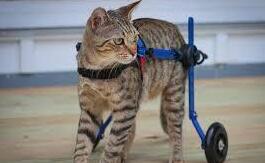
A cat wheelchair, also known as a pet cart, is a device designed to help cats with mobility issues stay active and independent. It is typically a wheeled cart with a harness attached to it for the cat’s body and legs to rest in. These wheelchairs are designed to help cats that are paralyzed, have suffered an injury, or have a chronic illness, such as arthritis, remain mobile and enjoy life as much as possible.
Cat wheelchairs come in a variety of sizes and styles, allowing you to choose one that best suits your cat’s individual needs. They are typically made from lightweight and durable materials, such as aluminum, and they are adjustable to ensure your cat can comfortably use the wheelchair over time. Depending on the type of cat wheelchair you choose, some models may require assembly, while others may come ready to use.
Cat wheelchairs can help your furry friend stay active and independent, allowing them to explore their world with less difficulty. They can also help to improve their quality of life by making it easier for them to move around, whether it’s in the house, out in the garden, or even on walks.
Using a cat wheelchair can be a big adjustment for both you and your pet, so it’s important to take your time and be patient. Both you and your cat will need to get used to the device and learn how to use it properly. It may also take some time for your cat to become comfortable in the wheelchair, so be sure to provide plenty of love and support during this process.
A cat wheelchair is an excellent way to help cats that struggle with mobility issues stay active and independent. By providing them with the support they need, they can continue to enjoy life to the fullest.
Uncovering the Reasons Behind Dog Mobility Issues
Dogs are beloved family members, and it’s heartbreaking to watch them struggle with mobility problems. Unfortunately, it’s a common issue that affects many of our canine friends as they age. But what exactly causes mobility issues in dogs? we’ll explore some of the most common causes of impaired mobility in canines.
Arthritis
Osteoarthritis—more commonly known as “arthritis”—is a degenerative joint disease that affects many older dogs. It is caused by the breakdown of the cartilage in the joints, which results in inflammation and subsequent pain. Arthritis can cause dogs to move more slowly and stiffly, or even to avoid certain activities altogether.
Obesity
Like humans, obese dogs have an increased risk of developing mobility issues. Excess body weight can put additional strain on the joints, which can cause pain and reduce the dog’s range of motion.
Injury
Injuries to the joints, ligaments, and muscles can cause immediate and long-term mobility issues in dogs. Traumatic injuries, such as fractures or dislocations, can cause pain and impair mobility. Even seemingly minor injuries, such as a torn or strained ligament or muscle, can cause pain and limit a dog’s ability to move.
Congenital Conditions
Some dogs are born with conditions that can impair their mobility. Hip dysplasia, for example, is a deformity of the hip joint that often causes lameness, pain, and limited range of motion.
Age-Related Conditions
As dog's age, they may develop mobility issues due to age-related conditions. Degenerative myelopathy is an incurable, progressive disease of the spinal cord that affects older dogs and can lead to hind-end paralysis. Dogs with diabetes may also suffer from nerve damage and paralysis.
Fortunately, there are many treatments available to help improve the mobility of dogs affected by these conditions. Depending on the cause, treatments can include physical therapy, medications, supplements, and even surgery. Keeping your dog at a healthy weight, providing regular exercise, and visiting the vet for routine checkups can also help prevent or delay the onset of mobility issues.
Click Here to Get Your Free Mobility Guide Now!
Monday
Fixing Mobility Issues in Dogs
As our canine companion's age, it is not uncommon to see changes in their mobility. While some of these changes are caused by normal wear and tear of the aging process, other changes may be due to underlying medical issues. As a pet owner, it is important to recognize when these changes occur and to know when to seek veterinary attention.
The first sign of a mobility issue in your dog may be a decrease in their desire to run, jump, and play. If your dog is no longer interested in activities they previously enjoyed, this could be a sign that they are experiencing pain or discomfort. Other signs of a mobility issue may include difficulty in climbing stairs, difficulty getting up after lying down, or a decrease in their ability to go for long walks.
If you notice any of these signs, it is important to consult with your veterinarian. They can perform a physical examination and may recommend diagnostic testing such as x-rays or blood work to help determine if your pet is suffering from a medical condition. Some common medical conditions that can cause mobility issues include arthritis, hip dysplasia, and degenerative myelopathy. Treatment options vary depending on the underlying cause but may include medications, dietary changes, physical therapy, or even surgery.
By being aware of the signs of mobility issues in our canine companions, we can help ensure that our pets remain happy and healthy for many years to come. If you suspect your dog may be experiencing a mobility issue, contact your veterinarian right away for an evaluation.
Click Here to Get Your Free Mobility Guide Now!
Friday
Dog Carts For Sale Solves Dog Mobility Problems
With the different kinds of dog carts for sale in the market today, your handicapped pet is no longer deprived of a normal life.
Dog wheels, also known as dog carts, are wheelchairs made for dogs that are unable to move around due to immobility of the limbs. There could be several reasons for this immobility - canine arthritis, fracture of the leg, diseases hampering movement, an unhealed injury, or even deformity by birth. Dog carts allow these pets to move around without discomfort.
The design of the dog carts must be kept in mind before deciding on one for your pet. You must ensure that the dog-cart does not make your pet exert unnecessary pressure on the shoulders. This, of course, depends on the stature and handicap of your pet. Unlike earlier times, dog wheels today can be adjusted to fit your dog easily.
The sling or harness wheelchair is a kind of harness that is put on the dog's legs and then attached to the wheels. Saddle support is another type of dog wheel where the dog's legs are put through rings supporting the dog on a saddle or seat.
While bringing home a set of dog wheels for the first time, make sure your dog is completely comfortable before you strap them on to your pet. Once your dog adapts to the dog wheels, he will be able to move around freely.
You can either buy dog carts for sale at pet stores or even from online stores. You can even order a custom-sized dogcart for your dog, as opposed to buying a pre-designed one. Whichever you choose to go with, just make sure that the size is just right for your pet, to avoid any discomfort on its part.
Dog wheels serve a dual purpose - mobility for the handicapped pets and happiness for the owners!
Dog wheels, also known as dog carts, are wheelchairs made for dogs that are unable to move around due to immobility of the limbs. Unlike earlier times, dog wheels today can be adjusted to fit your dog easily.
Saddle support is another type of dog wheel where the dog's legs are put through rings supporting the dog on a saddle or seat.
While bringing home a set of dog wheels for the first time, make sure your dog is completely comfortable before you strap them on to your pet.
Get Your Free Mobility Guide, Click Link